



Heat Recovery for Commercial Buildings
Turn high-density compute into reliable thermal energy that reduces operating costs and supports sustainability goals for commercial facilities.
Commercial buildings face mounting pressure to cut energy spend and carbon emissions.
Commercial property owners and operators contend with rising costs across:
High energy costs for space heating and hot water
Sustainability mandates and carbon-reduction targets
Aging mechanical systems with limited efficiency gains
Volatile utility rates disrupting operating budgets
Pressure to reduce scope 2 emissions across portfolios
Regulatory scrutiny and tenant expectations are only intensifying the need for measurable, verifiable efficiency improvements.
Forge captures waste heat from high-density compute and delivers it into your existing building systems.
Supplemental thermal energy for HVAC and hot water
Measurable performance with real-time monitoring
Compact, modular, and quickly deployable
Integrates with existing compatible hydronic and glycol-based infrastructure
Supports sustainability reporting with verifiable heat-recovery data
Common Commercial Applications
Office Buildings
Space heating and domestic hot water for single and multi-tenant office facilities.
Hotels & Hospitality
High-volume hot water demand for guest rooms, laundry, and kitchens.
Retail Centers
Perimeter and common-area heating for large-format retail environments.
Mixed-Use Developments
Shared thermal infrastructure supporting residential, retail, office, and amenity spaces.
Fitness & Recreation
Pool heating, showers, and locker-room hot water for recreation facilities.
District Heating
Supplemental input for campus or district-scale heating loops.
Thermal infrastructure designed around the realities of building operations.
Commercial buildings require dependable systems that work alongside existing equipment, adapt to changing demand, and provide clear operational visibility.
Existing-System Integration
Forge connects to compatible hydronic or glycol systems, allowing recovered heat to supplement existing boilers and mechanical equipment.
Flexible Thermal Output
Modular deployment allows system capacity to be aligned with the building's heating and hot-water requirements.
Continuous Operation
Designed to provide a dependable source of thermal energy for facilities with consistent or recurring heat demand.
Intelligent Monitoring
Integrated controls provide visibility into system temperatures, flow, heat production, and operating performance.
Compact Footprint
Forge delivers substantial thermal output from a space-efficient platform suited to mechanical and equipment rooms.
Portfolio Scalability
Begin with one qualifying property and expand across additional buildings or locations as opportunities are identified.
Your facility may be a good candidate if it has one or more of the following:
Year-round domestic hot-water demand
Significant space-heating requirements
A heated pool or recreation facility
Existing hydronic or glycol infrastructure
A central boiler or mechanical plant
Available electrical capacity
Extended or continuous operating hours
A need for measurable energy-efficiency improvements
Multiple buildings served by a shared thermal loop
Every property operates differently. Ridgeline evaluates the building's thermal demand, electrical capacity, mechanical infrastructure, available space, and operating profile before recommending a deployment.

Electricity
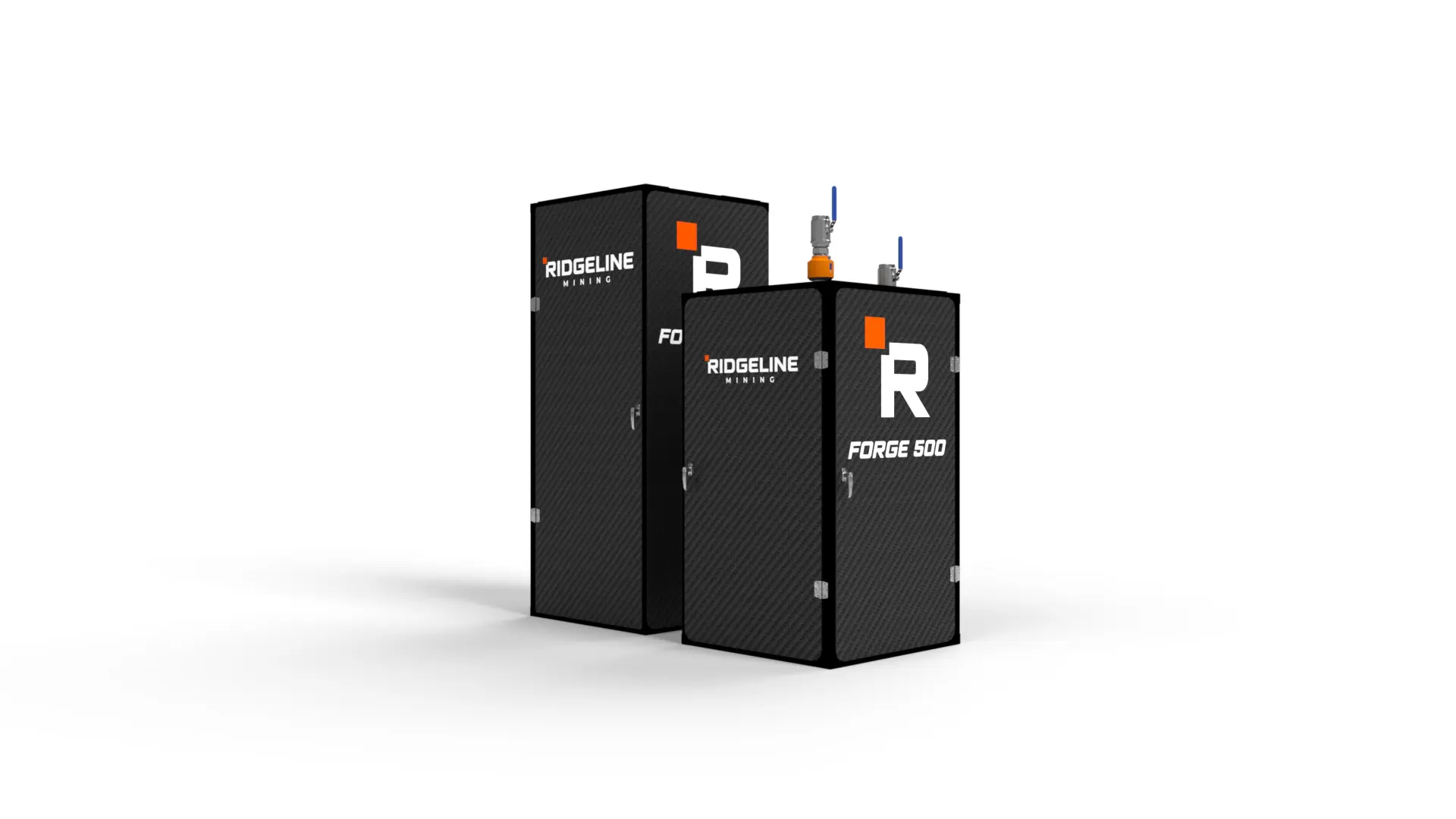
Forge 500
Liquid-cooled compute
Recovered Heat
Building Heating Loop
Space Heating
Domestic Hot Water
Pools
Shared Thermal Systems
~500,000 BTU/hr
Thermal Output Class~150–155 kW
Electrical Input (at full load)75–85%
Useful Heat Recovery TargetModular
Deployment TypeReal-Time
Monitoring & ReportingLearn why Ridgeline is
trusted by so many.
Ridgeline operates entirely within the United States, with infrastructure and operations designed for reliability and long-term performance.
Our approach is built on transparency, technical excellence, and a commitment to helping customers make confident, informed decisions every step of the way.
Let's Evaluate Your Facility
Every commercial property has a different combination of thermal demand, mechanical infrastructure, operating schedules, and sustainability objectives.
Ridgeline can evaluate whether Forge is a practical fit for your facility and identify the most appropriate integration and ownership model.
Schedule a Consultation